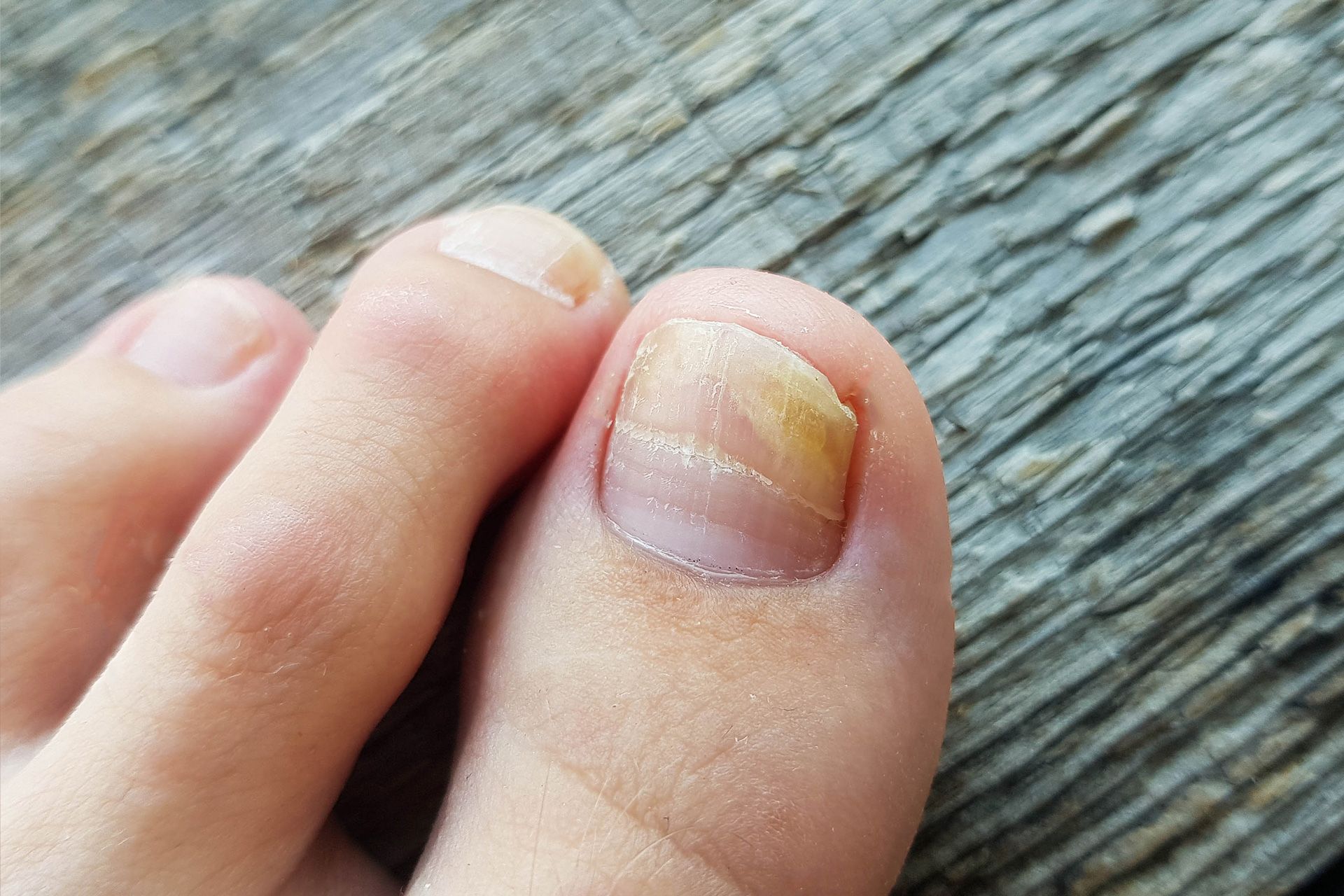
Nail fungus, also known as onychomycosis, is a common condition that can be both unsightly and uncomfortable. It occurs when fungi infect one or more of your nails, potentially causing discoloration, thickening, and crumbling at the edge of the nail. While it may start as a white or yellow spot under the tip of the nail, the infection can quickly spread deeper, leading to more significant issues. Understanding how to effectively treat nail fungus is essential for maintaining both nail health and overall well-being. Fortunately, there are several treatment strategies available that can help combat this persistent condition.
Understanding Nail Fungus
Nail fungus is primarily caused by dermatophytes, a type of fungus that thrives in warm and moist environments. It can also be caused by yeast and mold. Factors that increase the risk of developing nail fungus include:
- Reduced blood circulation to the feet
- Heavy perspiration
- Walking barefoot in damp communal areas, such as pools or gyms
- A history of athlete?s foot
- Having a minor skin or nail injury
- A weakened immune system
For a comprehensive understanding of nail fungus and its causes, discover expert strategies here.
Effective Treatment Options
Topical Treatments
Topical antifungal treatments are often the first line of defense against nail fungus. These can be applied directly to the affected nails and surrounding skin. Some commonly used topical treatments include:
- Antifungal creams and ointments
- Medicated nail polish
- Nail softening creams
While topical treatments can be effective, they may require several months of consistent use to see results. Learn about our tailored solutions for persistent cases.
Oral Medications
In more severe cases, oral antifungal medications may be prescribed. These medications help the new nail grow free of infection, slowly replacing the infected part. Common oral medications include:
- Terbinafine
- Itraconazole
- Fluconazole
These medications can work more quickly than topical treatments, but they also come with potential side effects. Consult a healthcare provider to determine the best course of action. Explore advanced guides and tips to understand the implications.
Home Remedies
Many individuals seek natural remedies to complement medical treatments. While not scientifically proven, some home remedies may offer relief and promote healing. Common options include:
- Tea tree oil
- Vicks VapoRub
- White vinegar soaks
- Garlic application
While home remedies may provide some benefit, they should be used with caution and in conjunction with professional treatments. Find out more about this approach and integrate them wisely into a treatment plan.
Preventing Nail Fungus
Prevention is key to avoiding the recurrence of nail fungus. Consider the following preventative measures:
- Keep nails trimmed and clean
- Wear breathable footwear
- Change socks regularly to keep feet dry
- Use antifungal powders or sprays
- Practice good foot hygiene
By incorporating these practices into daily routines, individuals can significantly reduce their risk of developing nail fungus. For more detailed prevention strategies, explore advanced guides and tips.