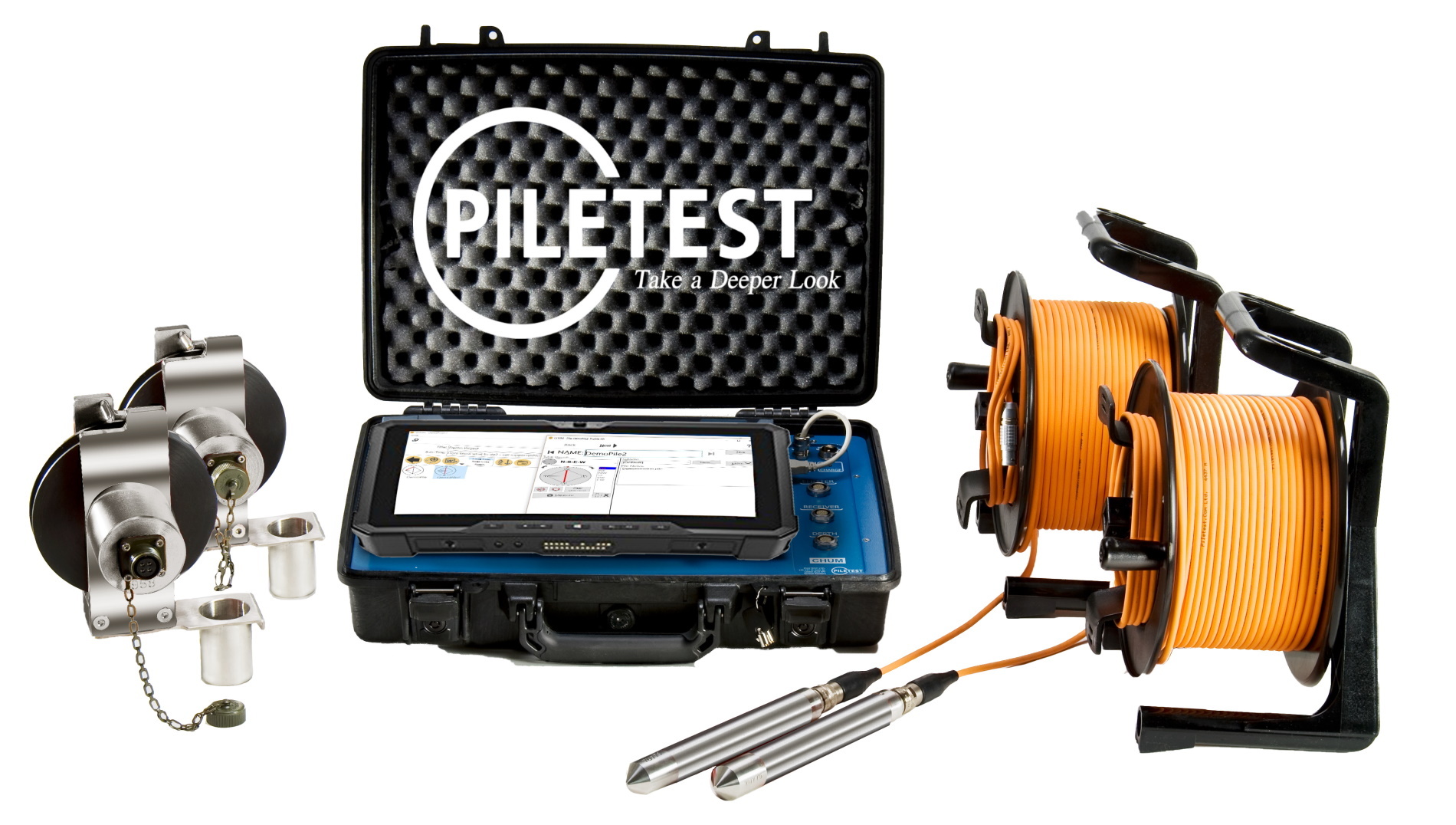
The field of geotechnical engineering has witnessed significant advancements with the advent of 3D crosshole technology, which is transforming subsurface imaging. This innovative approach allows for a more comprehensive understanding of subsurface conditions, essential for large-scale projects such as tunneling, construction, and resource extraction. By employing advanced imaging techniques, 3D crosshole technology provides detailed insights into subsurface anomalies, enhancing safety and cost-efficiency in engineering projects. This breakthrough is critical for stakeholders who demand precision and reliability in subsurface examination. The following sections delve into the workings, benefits, and applications of 3D crosshole technology, illustrating its pivotal role in modern geotechnical investigations.
Understanding 3D Crosshole Technology
3D crosshole technology employs multiple boreholes to capture a three-dimensional image of the subsurface. This process involves sending seismic waves through the earth and measuring their travel time between boreholes. The data collected is then interpreted to create a detailed map of subsurface structures.
Key Components
- Seismic Sources: Generates waves that travel through the subsurface.
- Receivers: Detects the waves after they have traversed the subsurface.
- Data Processing Software: Converts raw data into a 3D image for analysis.
The integration of these components leads to precise imaging, which is vital for identifying subsurface anomalies. Find out more about this approach and its technical specifications.
Advantages of 3D Crosshole Technology
This technology offers several benefits over traditional subsurface imaging methods:
- Enhanced Resolution: Provides high-resolution images for better interpretation.
- Increased Accuracy: Minimizes errors by using multiple data sources.
- Comprehensive Analysis: Offers a complete view of the subsurface, not limited to a single plane or section.
- Cost Efficiency: Reduces the need for extensive ground truthing, saving time and resources.
To explore advanced guides and tips on maximizing the benefits of 3D crosshole technology, consider tailored solutions for specific project needs.
Applications in Geotechnical Engineering
Infrastructure Development
3D crosshole technology is crucial for infrastructure projects where understanding subsurface conditions is paramount. It aids in:
- Assessing the stability of foundations for buildings and bridges.
- Planning for tunnels and underground passages.
- Evaluating potential hazards in mining operations.
Discover expert strategies here for integrating these technologies into infrastructure development.
Environmental and Resource Management
Beyond construction, this technology is instrumental in environmental assessments and resource management:
- Locating water tables and aquifers.
- Identifying mineral deposits and optimizing extraction processes.
- Monitoring subsurface contamination and remediation efforts.
For more insights, learn about our tailored solutions that address environmental challenges.
Future Prospects and Innovations
The future of 3D crosshole technology is promising, with ongoing research focused on enhancing data accuracy and processing speeds. Emerging technologies, such as machine learning and artificial intelligence, are expected to play a significant role in automating data interpretation and improving precision. As these advancements continue, the application scope of 3D crosshole imaging will expand, offering even greater utility in diverse engineering and environmental sectors. Explore advanced guides and tips to stay updated with the latest innovations.
In conclusion, 3D crosshole technology represents a significant leap forward in subsurface imaging, offering unparalleled accuracy and detail. Its integration into geotechnical practices ensures safer, more efficient, and cost-effective project outcomes. Professionals interested in leveraging this technology should consider the detailed insights and solutions available through trusted resources and experts in the field.