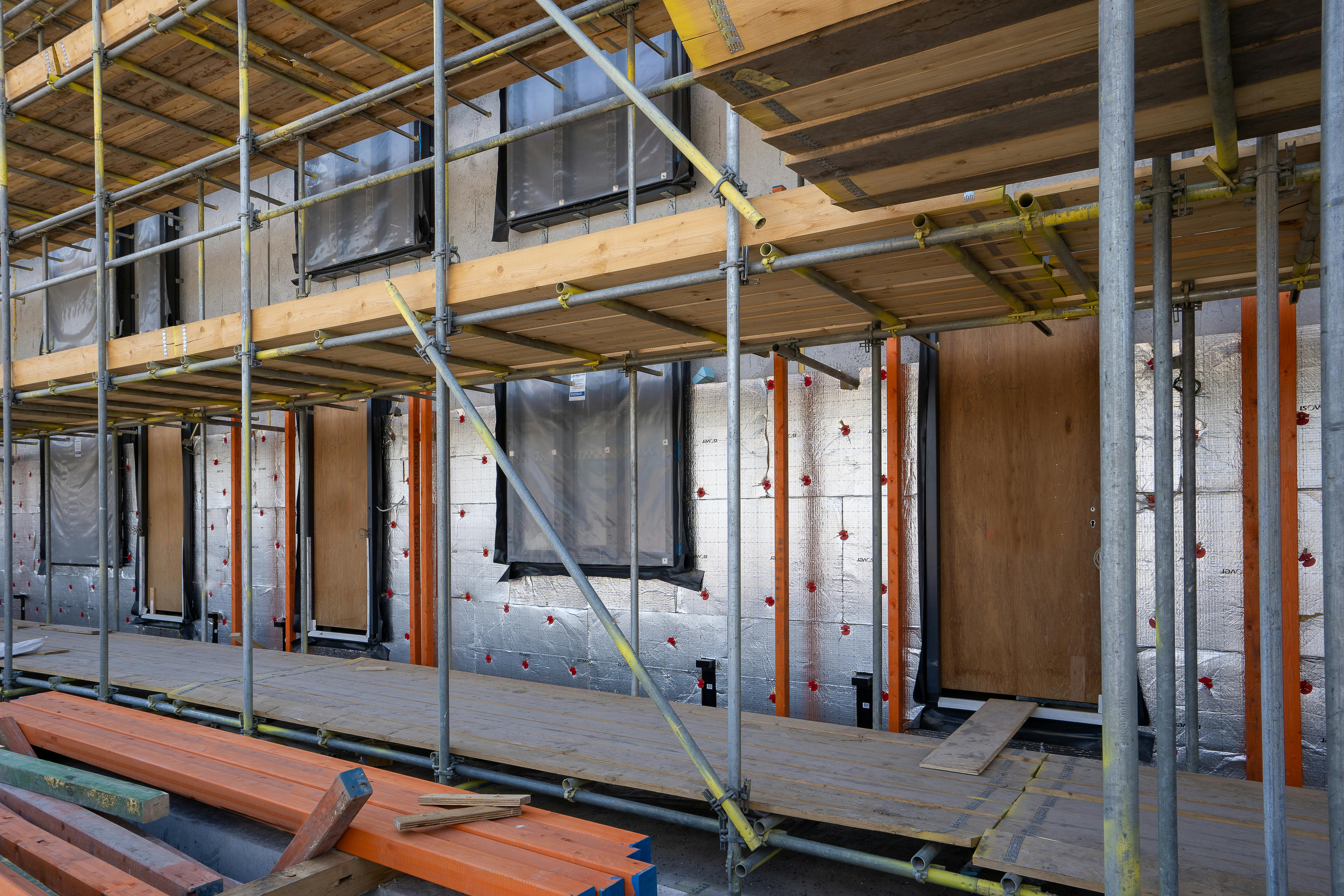
In the realm of building construction and design, thermal breaks play a pivotal role in ensuring energy efficiency and structural integrity. As the demand for sustainable building solutions rises, understanding the function and importance of thermal breaks becomes imperative for architects, builders, and homeowners. These components are crucial in minimizing thermal bridging, which can lead to significant energy loss and increased utility costs. With advancements in materials and techniques, thermal breaks are now more effective and versatile than ever before, contributing to the creation of energy-efficient and comfortable living spaces.
What Are Thermal Breaks?
Thermal breaks are elements incorporated into building envelopes to interrupt the conduction of heat. They are typically made from materials that have low thermal conductivity, such as plastic, rubber, or insulated metal composites. The primary function of a thermal break is to reduce the transfer of heat through structural components, such as windows, doors, and curtain walls, where different environments meet.
Why Are Thermal Breaks Important?
The integration of thermal breaks into building designs is crucial for several reasons:
- Energy Efficiency: By reducing thermal bridging, thermal breaks help maintain a building?s internal temperature, thereby decreasing the need for artificial heating or cooling.
- Condensation Control: Thermal breaks can minimize the risk of condensation, which can lead to mold growth and structural damage.
- Comfort: Enhancing indoor temperature stability leads to increased comfort for occupants.
- Sustainability: Reducing energy consumption aligns with environmentally-friendly building practices.
Applications of Thermal Breaks
Thermal breaks are utilized across various aspects of building construction. They are particularly vital in areas prone to thermal bridging. Common applications include:
Windows and Doors
These are often the weakest points in a building?s thermal envelope. Incorporating thermal breaks in window frames and doors helps in significantly reducing heat transfer. Explore advanced guides and tips on selecting the right thermal breaks for residential and commercial windows.
Roof and Wall Systems
Roof and wall assemblies can benefit from thermal breaks to achieve higher insulation values and minimize energy loss. This is especially important in buildings located in extreme climates. Discover expert strategies here to enhance the energy efficiency of building envelopes.
Structural Components
Steel and concrete structures are susceptible to heat transfer, leading to energy inefficiency. By integrating thermal breaks, these structures can achieve improved thermal performance. Learn about our tailored solutions for different structural needs.
Choosing the Right Thermal Breaks
When selecting thermal breaks, several factors should be considered to ensure optimal performance:
- Material: Choose materials with low thermal conductivity and high durability.
- Compatibility: Ensure that the thermal break is compatible with the building materials and design.
- Performance Ratings: Look for performance ratings such as U-values to assess efficiency.
- Installation: Proper installation is key to maximizing the benefits of thermal breaks.
Find out more about this approach to selecting the most effective thermal breaks for your project.
Conclusion
The role of thermal breaks in modern construction cannot be overstated. They are integral to creating energy-efficient and comfortable buildings. By understanding their importance and application, stakeholders in the construction industry can make informed decisions that contribute to sustainable building practices. For more detailed insights and expert recommendations, explore advanced guides and tips available online.